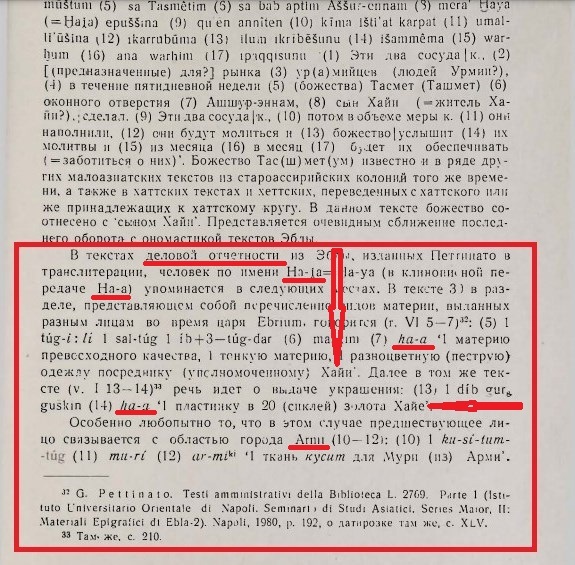
Most of these personal names belong to a name-giving tradition different from that of Ebla; Arra-ti/tulu(m) is attested also at Dulu, a neighbouring city-state (Bonechi 1990b: 22–25).28 We must, therefore, deduce that Armi belonged to a marginal, partially Semitized linguistic area different from the ethno-linguistic region dominated by Ebla. Typical are masculine personal names ending in -a-du: A-la/li-wa-du/da, A-li/lu-wa-du, Ba-mi-a-du, La-wa-du, Mi-mi-a-du, Mu-lu-wa-du. This reminds one of the suffix -(a)nda, -(a)ndu, very productive in the Anatolian branch of Indo-European (Laroche 1966: 329). Elements such as ali-,alali-, lawadu-, memi-, mula/i- are attested in Anatolian personal names of the Old Assyrian period (Laroche 1966: 26–27, 106, 118, 120).
Most of the names beginning with a- are typical for Armi. There is another A-bí-ʾà lú-kar from Mari (ARET 1.5 § 90). For Ar-ra-da, see Ar-ra-tum, ARET 3: 262. Ar-ra-ti-lu is attested also at Dulu (ARET 1.16 § 6; 4.8 § 13; 4.24 § 12; MEE 12.35 § 112) and at ʾA5-a-bù-duki (ARET 8.524 § 9), a town in relation with Armi (ARES 2: 139; 29 for the variant Ar-ra-du-lum at Dulu, see ARET 3: 261; 12: 387). For A-šu-iš-dar, cf. A-šu-gú-da/ma-lik (Krebernik 1988a: 130). Ar-šè/si- is an el-ement common to the Semitic area. For A-wa-ru12 , see A-wa-ra, attested also at
Adabik and Hutimu (ARET 12: 389). [25]
Ba-ba-ù, Ba-mi/wi-a-du and Bù-li are typical Armi names.
En-na-ì/il is a widespread Semitic name.
p. 465
Նշված Ar-ra-da անձնանունը նույնությամբ համապատախանում է հայկական "Արարատ" անձնավանը։
Ճիշտն ասած ես ոչ այս գիրքն եմ կարդացել, ոչ էլ նշված գլուխը, ինչ գտել եմ այսպես արագ որոնման միջոցով եմ գտել, բայց համոզված եմ, որ կարդալը կտա շատ ավելի մեծ տեղեկություններ։
P.S.
Մհեր ջան, Արմի երկրի մղած պատերազմները Էլբաի դեմ նույնպես կարող են տեղ գտնել քո գրքում(եթե չկան)։